 BJJ Tap
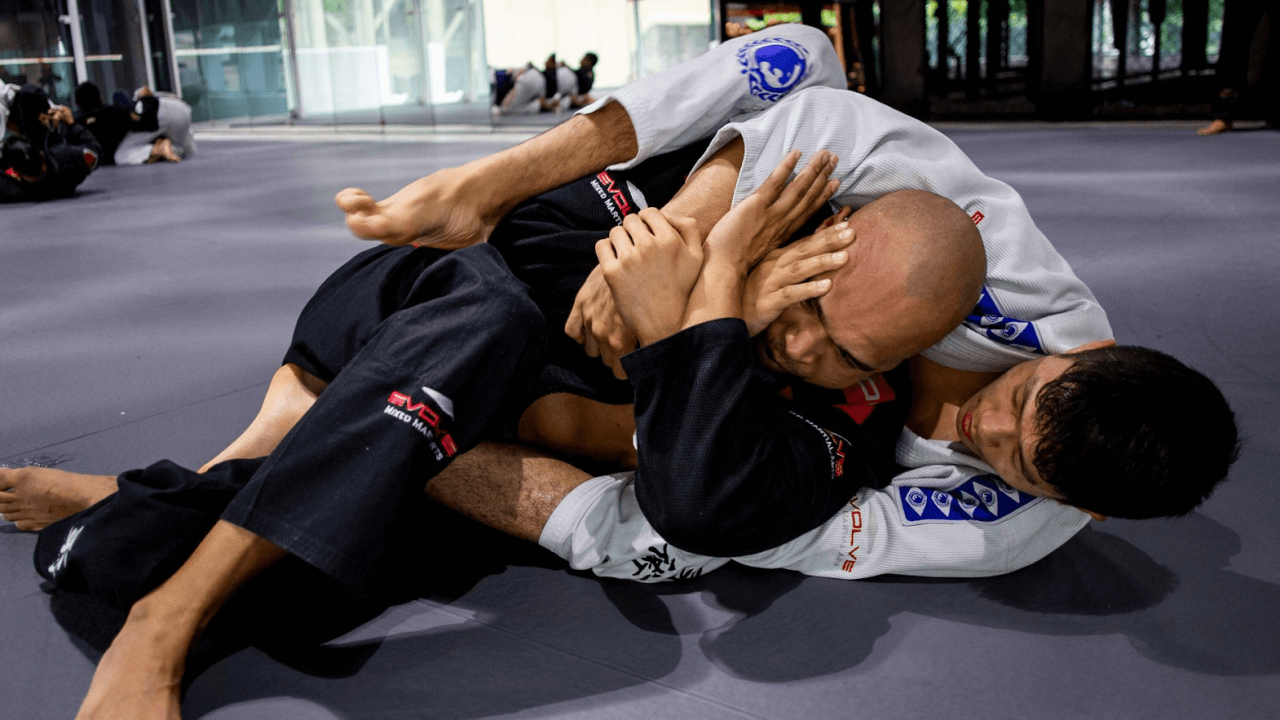
John Danaher has called a student’s first jiu-jitsu class the most important one, arguing that it can reveal how knowledge and skill change a physical contest.
In a recent appearance on Georges St-Pierre’s podcast, Danaher framed the early experience as a lesson in what training can make possible, BJJ Eastern Europe reported.
BJJ Eastern Europe reported that Danaher described the first day as showing “everything you need to know for the long term.” He said the results of time and training could be tangible and repeatable.
His point is about revelation rather than instant mastery. A newcomer can see the effect of trained responses before understanding the mechanics behind them, while the work of building those responses still lies ahead.
Danaher said beginners may see smaller or weaker people dominate through learned skill rather than unusual physical traits.
He presented that shock as carrying hope too: the people doing it are “human beings just like you,” and a student can improve by gaining knowledge and skill.
His account treats the mismatch as an observation, not a promise that strength never matters. The specific lesson, he said, was that trained practitioners can prevail because of knowledge and skill rather than special attributes.
The remark came in an episode of the GSP Podcast titled The Philosophy of JIU JITSU and Self Mastery | John Danaher.
Its chapter list labels “Your first class is the most important class” at 00:05:53, locating the discussion near the start of the conversation. The time stamp gives listeners a direct route to the section, while the listing does not supply a full transcript.
Technical progress extends past the first lesson
Tri-force Jiu-Jitsu Academy’s basic curriculum, one example of a structured beginner system, sets out 30 lessons and 150 techniques, five per lesson. Its listed material includes fighting stance, breakfalls and hip movement.
Tri-force says the techniques are selected for complete beginners. The programme does not set a universal standard for BJJ schools, but it illustrates the staged work that follows an initial introduction.
For prospective students, the practical reading of Danaher’s message is straightforward: the first session may provide the motivation to start, while repeated classes provide the time to turn that motivation into usable skill.
It is a starting point, not a shortcut: the initial insight has to be tested and built through later instruction.
Sources and further reading
Sources and further reading:
Source reporting used: BJJ Eastern Europe. Additional research draws on Georges St-Pierre / Apple Podcasts, Tri-force Jiu-Jitsu Academy; supporting URLs remain in the publication record.