 BJJ Tap
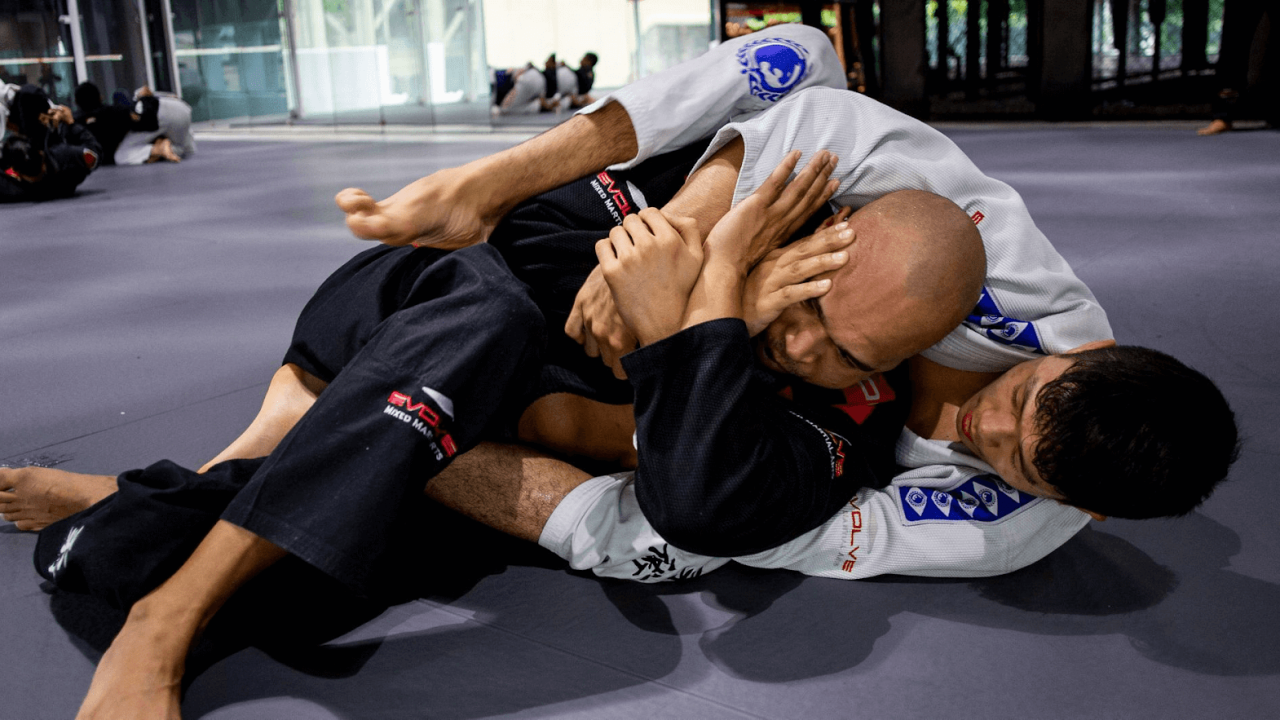
Mario Sperry says American commercialisation has pulled parts of Brazilian jiu-jitsu away from the combat-first approach he learned under Carlson Gracie.
In an account published by BJJ Eastern Europe, Sperry contrasted his formative training in Brazil with the martial-arts culture he encountered after arriving in the United States.
He described Carlson’s instruction as rooted in real-world fighting scenarios and said early practitioners had fewer ways to make a living from jiu-jitsu. Sperry argued that today’s gym ownership, seminars, private lessons and video instruction can support full careers without competing in MMA or ADCC.
Sperry’s career spans sport and submission grappling
Sperry’s view carries weight because ADCC lists him in its Hall of Fame. Specialist reference BJJ Heroes records him as an absolute world BJJ champion in 1996, 1997 and 1998, as well as the 1998 ADCC weight and absolute champion.
It also records that he began under Carlson Gracie before moving to Brazilian Top Team, placing his career across elite sport BJJ, submission grappling and a fight-oriented team environment.
That background helps explain why Sperry frames the change as one of incentives rather than a simple technical dispute.
His criticism is still an experienced practitioner’s interpretation of how the art has developed, not proof that American commercialisation alone caused BJJ to leave combat training behind.
Carlson Gracie’s academy already mixed sport and scale
The historical contrast is less clean than a combat-versus-business split. BJJ Heroes describes the Carlson Gracie academy as an innovator in group classes with a strong emphasis on sport BJJ.
Those features show that scalable instruction and competitive specialisation were already part of Sperry’s Brazilian lineage, even as he remembers its training culture as more closely tied to fighting.
For coaches and practitioners, the sharper question is not whether BJJ should be commercial or combat-focused. It is which priorities an academy chooses when competition, self-defence, MMA preparation and a sustainable business all compete for time on the mat.
Sources and further reading
Sources and further reading:
- ADCC Hall of Fame – ADCC Submission Fighting World Federation
- José Mario Sperry – BJJ Heroes
- Carlson Gracie Academy – BJJ Heroes
Source reporting used: BJJ Eastern Europe. Additional research draws on ADCC Submission Fighting World Federation, BJJ Heroes; supporting URLs remain in the publication record.